25 Sep 2026
 Neta·Resume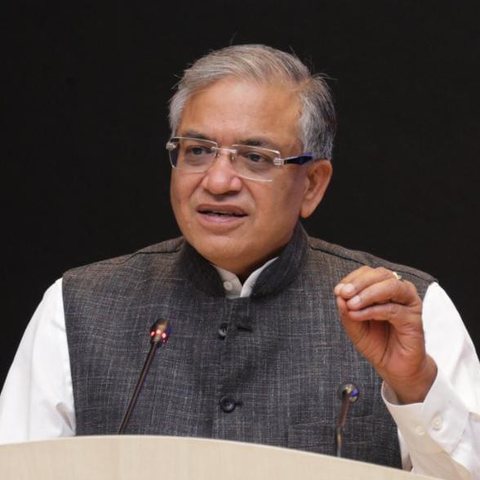
Rahul Gandhi dissented: Asked that the decision wait for the Supreme Court hearing two days later, objected to the Chief Justice's removal from the panel in a dissent note, and did not take part in further proceedings. He published the note the next day.
Adhir Ranjan Chowdhury dissented: Recorded dissent on procedure: 212 names sent the night before and a six-name shortlist eight to ten minutes before the meeting. He said he had nothing against the two appointees. source ↗ response ↗
Education: B.Tech Civil Engineering, IIT Kanpur; Business Finance, ICFAI; Environmental Economics, HIID, Harvard University - per ECI profile
The source lists these without dates. They appear in the source's order.
PRS Legislative Research's analysis of the bill noted that the selection committee would have a government majority, that a vacancy clause could leave only government members selecting, that tying pay to the Cabinet Secretary lets the executive fix it, and that restricting eligibility to Secretary-rank officers may exclude other candidates.
PRS is a non-partisan research body; this is its analysis, not a finding. The PRS page carries no publication date, so only the year is given.
PRS analysed the bill as introduced. In the Act as passed, pay was changed from the Cabinet Secretary's to a Supreme Court judge's (Section 10); the panel (Section 7) and the Secretary-rank eligibility rule (Section 5) were not changed.
See all charges and answers →